Trusting Intuition in Business: The Quiet Signals You Keep Explaining Away

When the nudge repeats, the work is to listen.
Last updated: 10 February 2026
Trusting intuition in business began for me with a question that felt almost careless at the time. A friend invited me on a last-minute camping trip to the North Georgia mountains. I had every practical reason ready. Work. Responsibilities. Timing. The image I carried of who I was supposed to be did not include spontaneous weekends in the woods.
Then a quieter thought arrived. Why not? Why can’t I go?
That question landed in my body with relief. I went. We swam, lit candles, shared stories, and sat with ourselves in a way daily life rarely allowed. When I returned, I had the clarity and steadiness to make a decision I had been circling for months. I asked for a divorce. The conversation took one afternoon, and it felt calm and complete.
That trip did not create the decision. It revealed what I had already known.
Trusting intuition in business works the same way. The signal appears long before the explanation arrives, and the body recognizes it before the mind can justify it.
Why Intuition for Business Feels Unstable When You Rely on Consensus
When intuition for business feels unreliable, the pattern usually looks familiar. You sense a shift approaching. A new offer. A different pace. A refined audience. You feel pulled toward something that makes sense in your body before it makes sense on paper.
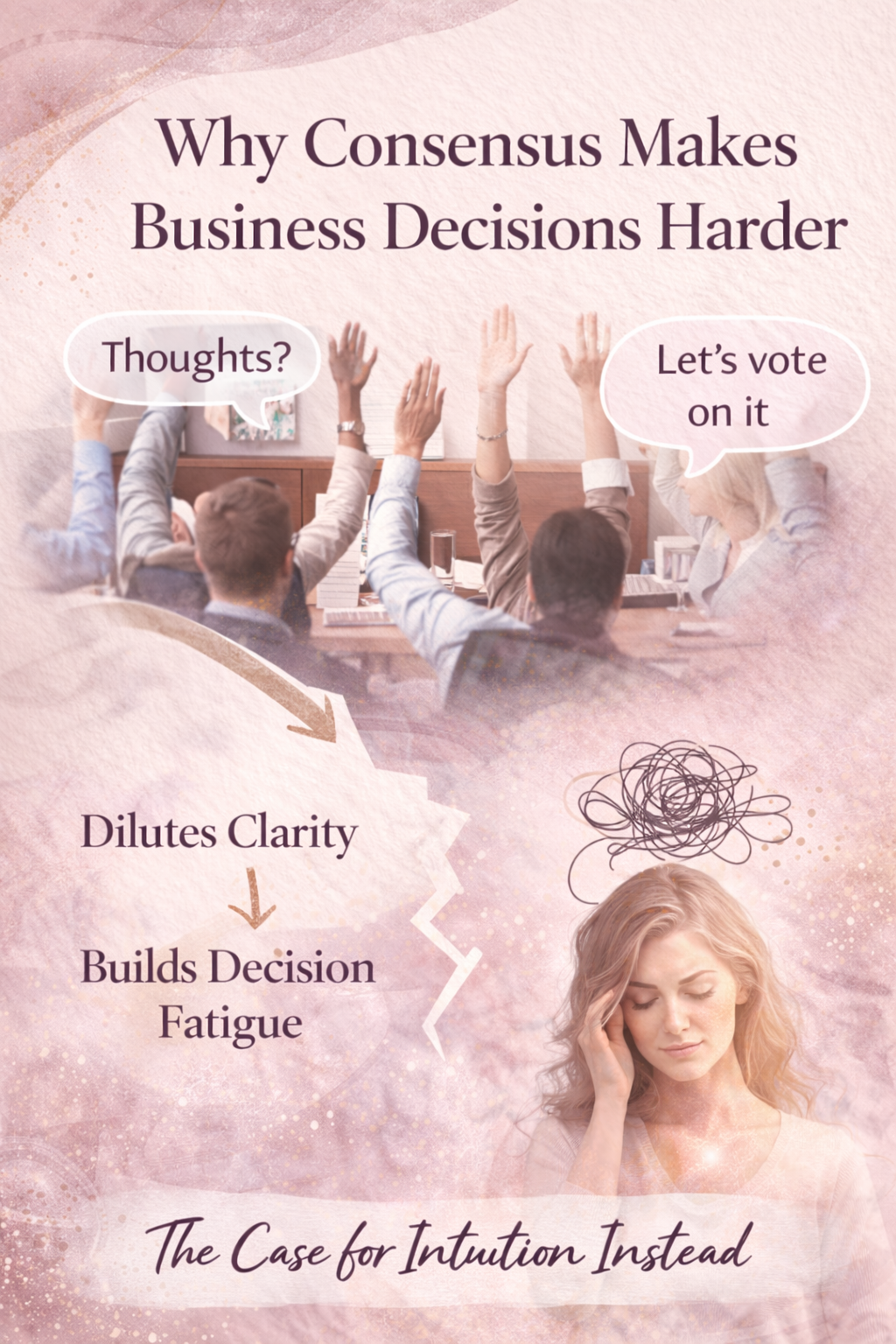
Then you start collecting agreement. You poll friends. You ask your audience what they want. You search for validation in analytics and DMs. You wait for certainty to arrive from outside you. I’ve done this more times than I can count, especially when the decision felt visible or irreversible.
Consensus rarely strengthens intuitive clarity. It dilutes it. When ten opinions enter the room, your original signal gets crowded out. The nervous system tightens, and decision fatigue creeps in.
Research in cognitive science supports this experience. Studies from the American Psychological Association show that overexposure to conflicting input increases cognitive load and reduces decision clarity. When the brain holds too many competing signals, stress response rises and focus drops. You can review their overview of decision fatigue and cognitive load here: https://www.apa.org/topics/decision-making.
I noticed this in my own work. The more opinions I gathered, the harder it became to hear myself. When I reduced external input and returned to what kept repeating internally, clarity sharpened.
Intuition rarely speaks through consensus. It repeats itself quietly until it receives a response.
Trusting intuition in business starts with repetition

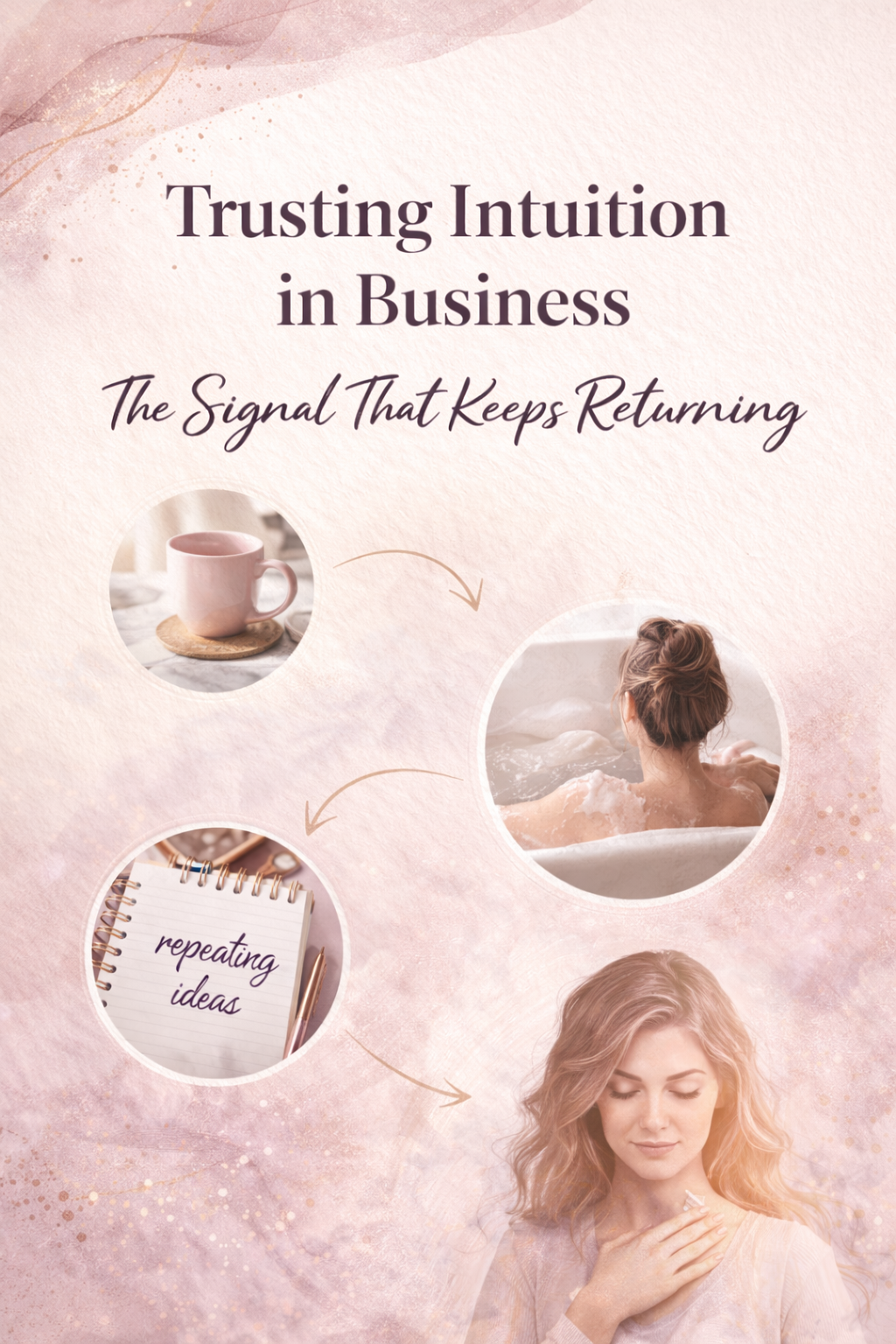
Trusting intuition in business becomes steady when you notice what keeps returning. The same idea that surfaces in the shower. The same direction that appears when your attention softens. The same physical response when imagining one option over another.
Repetition is data. It reveals what wants movement. Alignment through intuitive clarity becomes possible when you stop second-guessing the signals that return consistently.
I used to dismiss repeated nudges because they felt inconvenient. If an idea disrupted my current structure or required visibility, I’d postpone it. I told myself I needed more information. What I needed was courage. One of my daily mantras now is “I’m focused, courageous, and embodied in consistent, wealthy practices.”
When intuitive signals get ignored, energy scatters. You open new tabs. You download another planner. You chase another template. The movement feels productive while your original direction waits.
When intuitive signals receive attention, momentum consolidates. Focus narrows. Decisions land with less friction. That shift creates nervous system capacity instead of draining it.
If you want a practical application, explore how business intuition strengthens when paired with repeatable systems in my post on intuitive business strategy. Structure protects the signal so it can guide execution instead of competing with it.
Why logic reaches its limit
Logic excels at organizing known information. It struggles with emerging truth. Intuitive knowing arrives before language. It shows up as a sense of ease, tension, curiosity, or quiet excitement. The mind wants justification. The body communicates readiness.
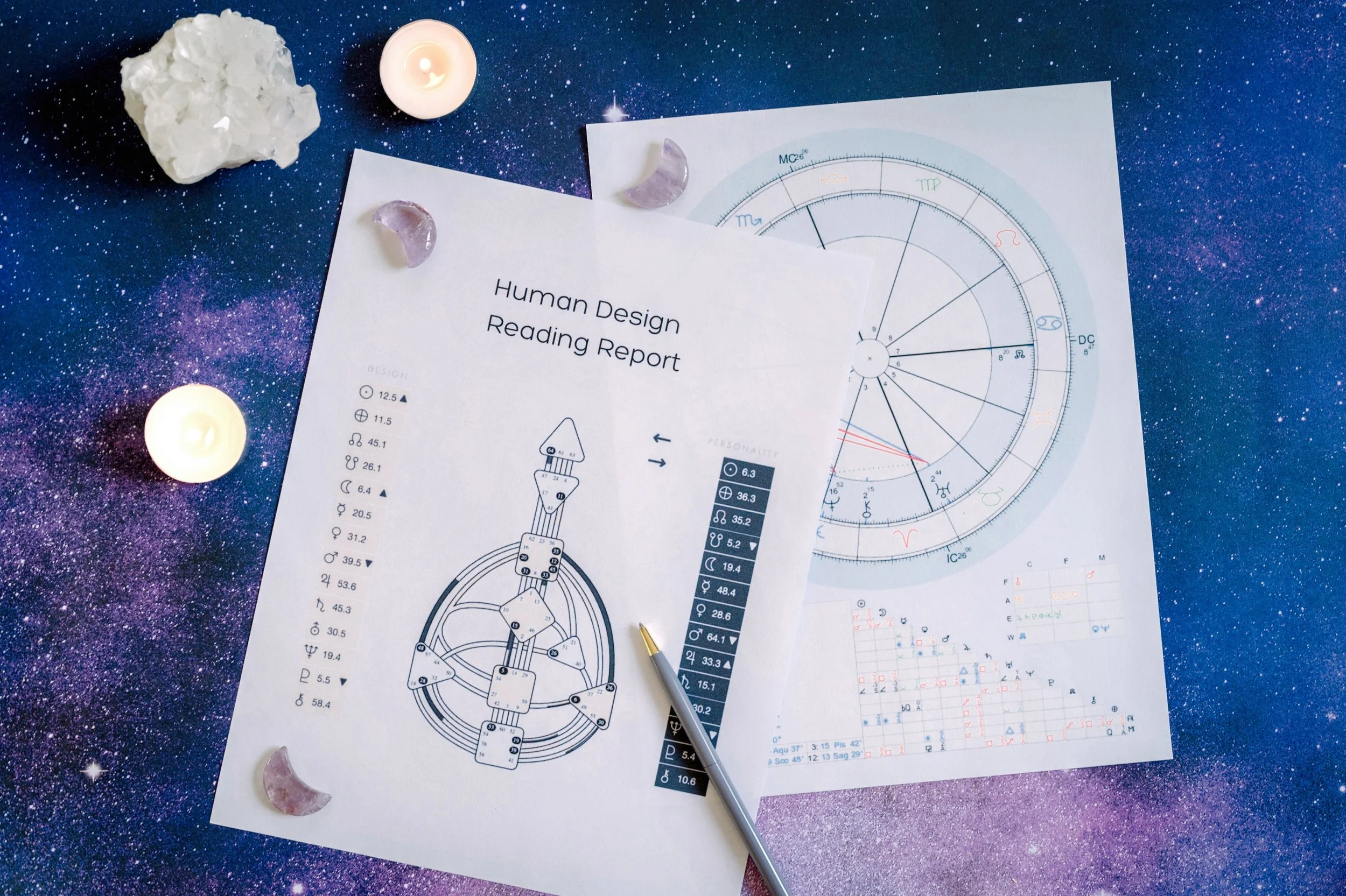
Trusting intuition in business means letting the body participate in decision-making. This practice expands discernment. Muscle testing is an example of allowing the body to help make decisions. Another is following your Human Design strategy. My HD strategy is sacral, so I get an immediate yes/ no gut reaction to questions. For my internal decision-making to work, though, I have to get still and quiet to hear what’s coming through.
The real constraint under intuition blocks
Most blocks around trusting intuition in business come from capacity gaps rather than lack of guidance. Many of those capacity gaps are rooted in self-worth influencing business decisions, especially around pricing, visibility, and leadership. Your intuition may be clear. The structure to support it may be thin.
I’ve felt this personally. I knew I wanted to change offers or at least shift my messaging. That moment often signals outgrowing old business models rather than losing direction. The signal felt strong. My systems couldn’t hold the change yet. The gap between knowing and execution created tension.
Capacity builds through structure. Clear offers. Defined timelines. Boundaries around availability. Repeatable content frameworks. When those elements exist, intuitive shifts integrate instead of destabilize.
Trusting intuition in business also requires trusting yourself. That means making smaller decisions without polling the room. It means allowing an offer to stay visible long enough to gather real data. It means choosing depth over constant reinvention.
If you are navigating a visibility plateau while feeling intuitive nudges toward change, you may also benefit from reading about safety in visibility and how embodied confidence supports expansion. Authority grows when intuition and structure cooperate.
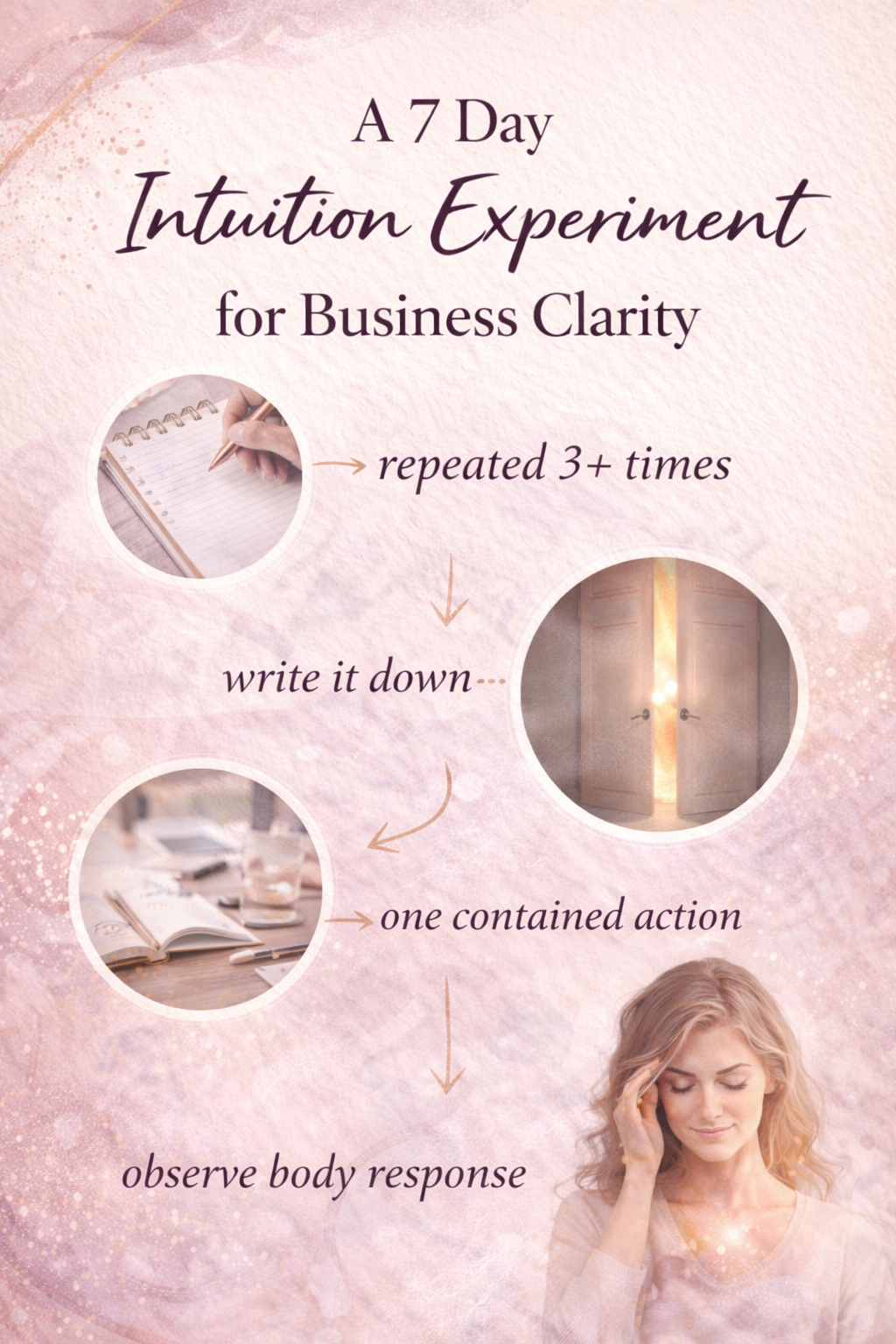
Here is a grounded experiment for this week. Identify one idea that has repeated at least three times in your mind over the past month. Write it down. Take one contained action toward it without announcing it publicly. Observe how your body responds after you act.
Trust strengthens through evidence. Evidence accumulates through action. Action feels safer when the container holds steady. Trusting intuition in business does not require abandoning logic. It requires sequencing. Listen first. Then, design structure around what you heard. Then move.
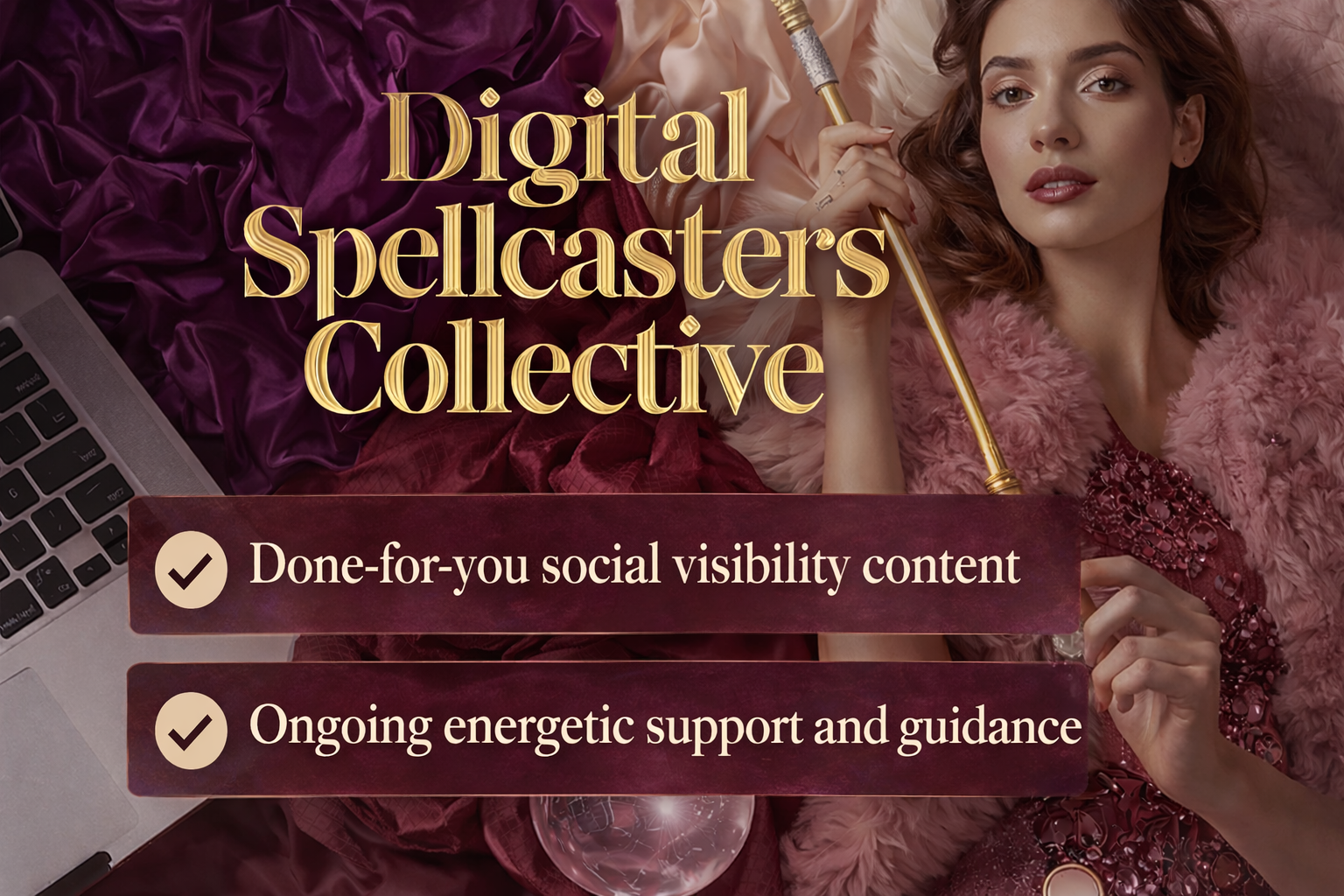
Join Digital Spellcasters Collective
If you want support trusting your intuition in business while having your social content and blog posts handled without burnout, Digital Spellcasters Collective is open. Inside, you receive done-for-you content and grounded strategy, so your nervous system can stay steady while your visibility grows.
You can join Digital Spellcasters Collective here: https://www.skool.com/digital-spellcaster-collective-6478/about